a Series of 10 — useful discomfort
By my count I am 4 blogs away from having written 500 blogs on my two websites. I thought it might be an interesting idea to write these remaining blogs based on the common threads that have woven themselves through the last 496 I have written — and with that said, “a Series of 10” will continue with a blog on the value of being uncomfortable.
Discomfort is one of my primary life tenets because it’s the primary driver for growth — we are hardwired for challenge and struggle and for all of us, there is no material growth without the discomfort that comes with struggle; be it intellectual, physical or emotional.
Don’t get me wrong, I enjoy being comfortable but I see it as a place to visit, not a place to live. I keep coming back to that famous quote by Nietzsche, “From the military school of life—what does not kill me makes me stronger” — symbolic as it is, it offers a reference for how to look at discomfort and what you can tolerate and by extension, the growth you can achieve. Don’t shy away from it.
I am not trying to convince you to carry my tenet but I will challenge you to look in the mirror and ask yourself to name a time you experienced material growth when it was easy. I suspect you will be hard pressed to find one.
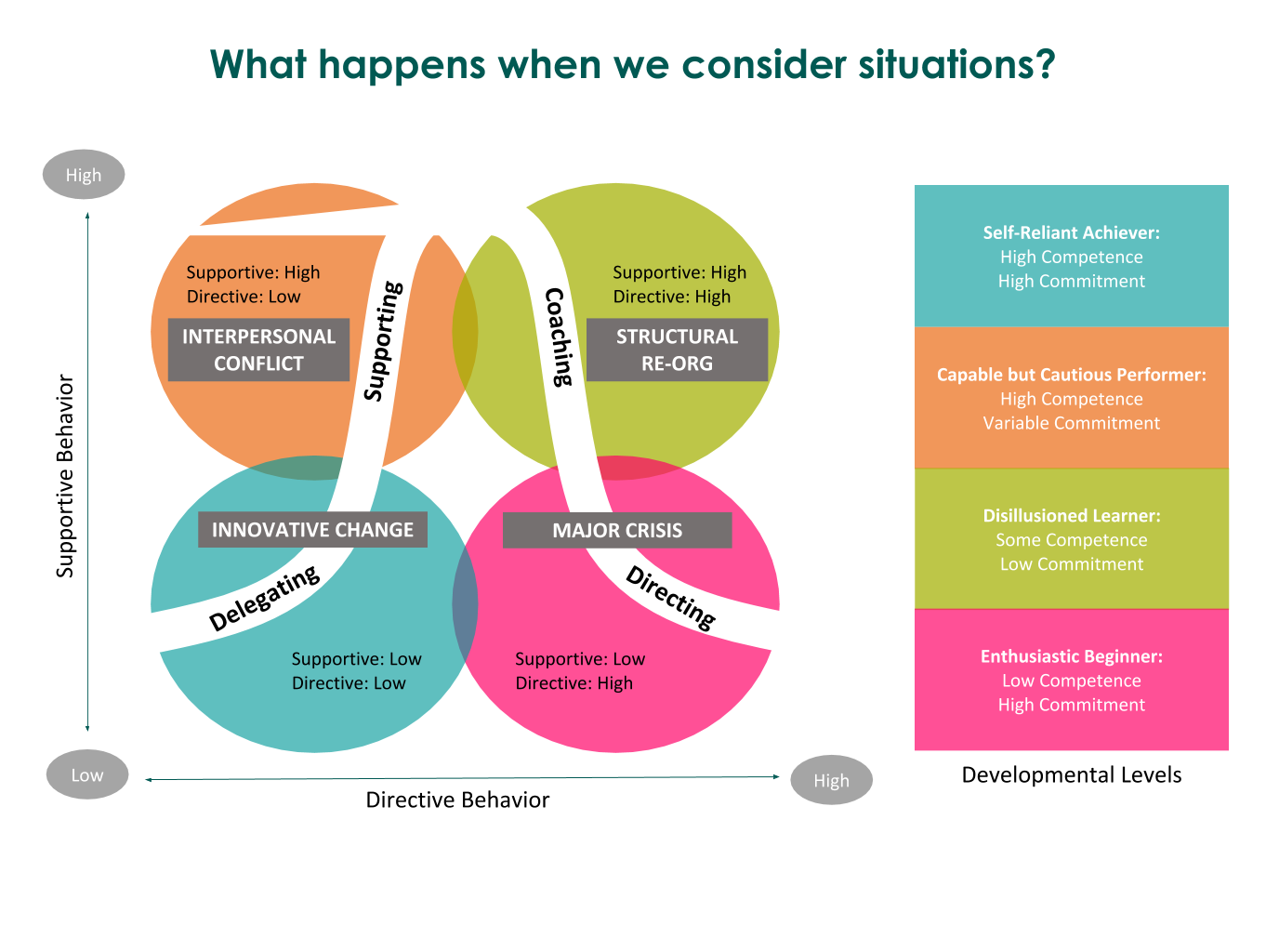
I would have stopped at this point because the importance of discomfort is a “full stop” in my mind — nothing more needs to be said. With that, I kept thinking about the Situational Leadership model developed by Dr Paul Hersey and Dr Ken Blanchard. It illustrates how discomfort comes into play if you are a leader of people, so I felt I should add a little more on the subject.
In their graphic representation of the model, you’ll see four quadrants representing a person’s skill sets and competencies — there is also a bell curve that moves through the quadrants that illustrates how each quadrant needs to be approached by a leader (see graphic). Anyone who is starting something new finds themselves in the lower left-hand quadrant. It is this quadrant that offers insight into discomfort.
You may not be so enthusiastic on my conviction about discomfort but it’s important to realize that those people in the lower quadrant, although enthusiastic, probably don’t know what they are doing, they’re frustrated with something new and uncomfortable with the struggle ahead. A leader needs to help people navigate through the discomfort (et al) to ensure success — and maybe on the way, recognize and lean into their own discomfort because leaders also need to grow.
At one time, I spent a fair bit of time with people new to the organization, and I was always quick to suggest they get comfortable with being uncomfortable. Those were the days when there was much growth for everyone involved.
It was so much fun.
iamgpe
3 more